A Rich History
Five generations of farming heritage, a barn built to last centuries, and a landscape that shaped the nation.
Five generations of farming heritage, a barn built to last centuries, and a landscape that shaped the nation.
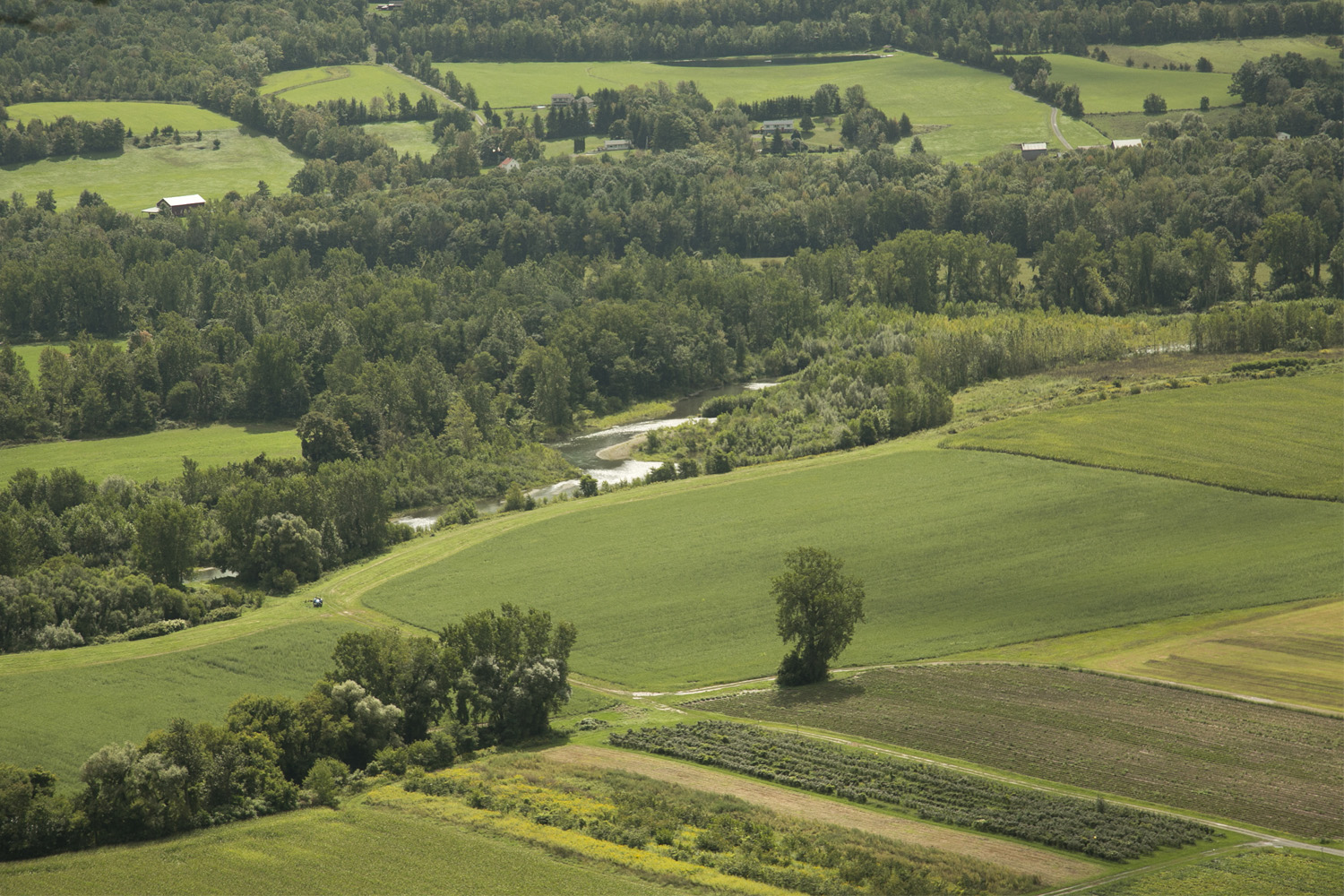
Long before the first barn beam was raised on this hillside, the Schoharie Valley had earned its place in the story of America. Carved by glaciers and nurtured by the Schoharie Creek, this verdant corridor drew Palatine German settlers in the early 1700s — families fleeing hardship in the Rhineland who found, at last, a landscape that rewarded their labor.
They built communities here, cleared forests, drained meadows, and established a farming culture whose roots run deeper than any structure still standing. The valley they shaped remains, in its essential character, very much as they left it.
The valley’s reputation grew steadily through the colonial era. By the time of the American Revolution, the Schoharie Valley had earned a remarkable distinction: it was called the “Breadbasket of the Revolution,” supplying grain, livestock, and provisions to Washington’s Continental Army through years of hardship.
The farms here weren’t simply a livelihood — they were a lifeline for a struggling nation. That legacy of stewardship and abundance still shapes the land and the people who tend it today.
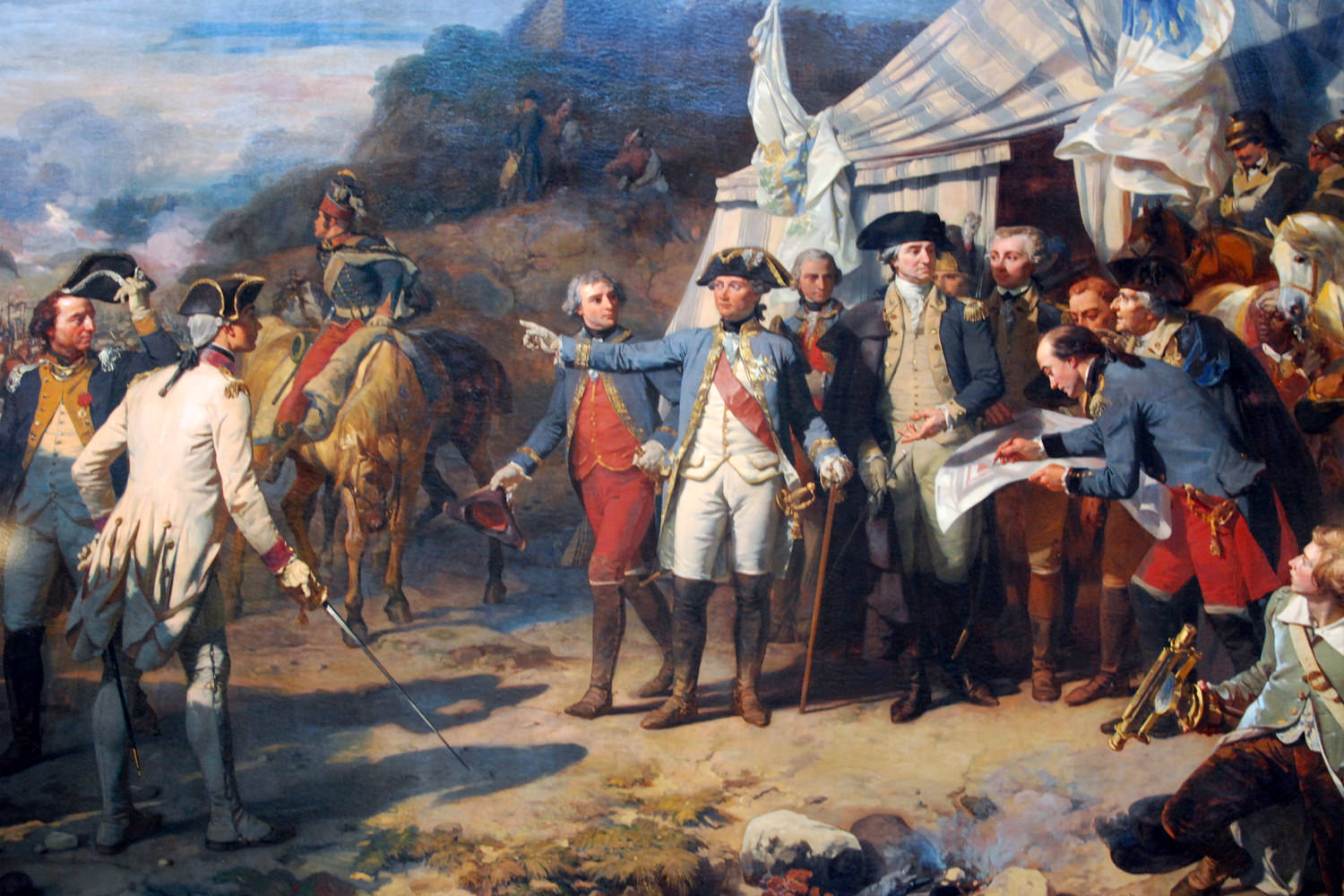
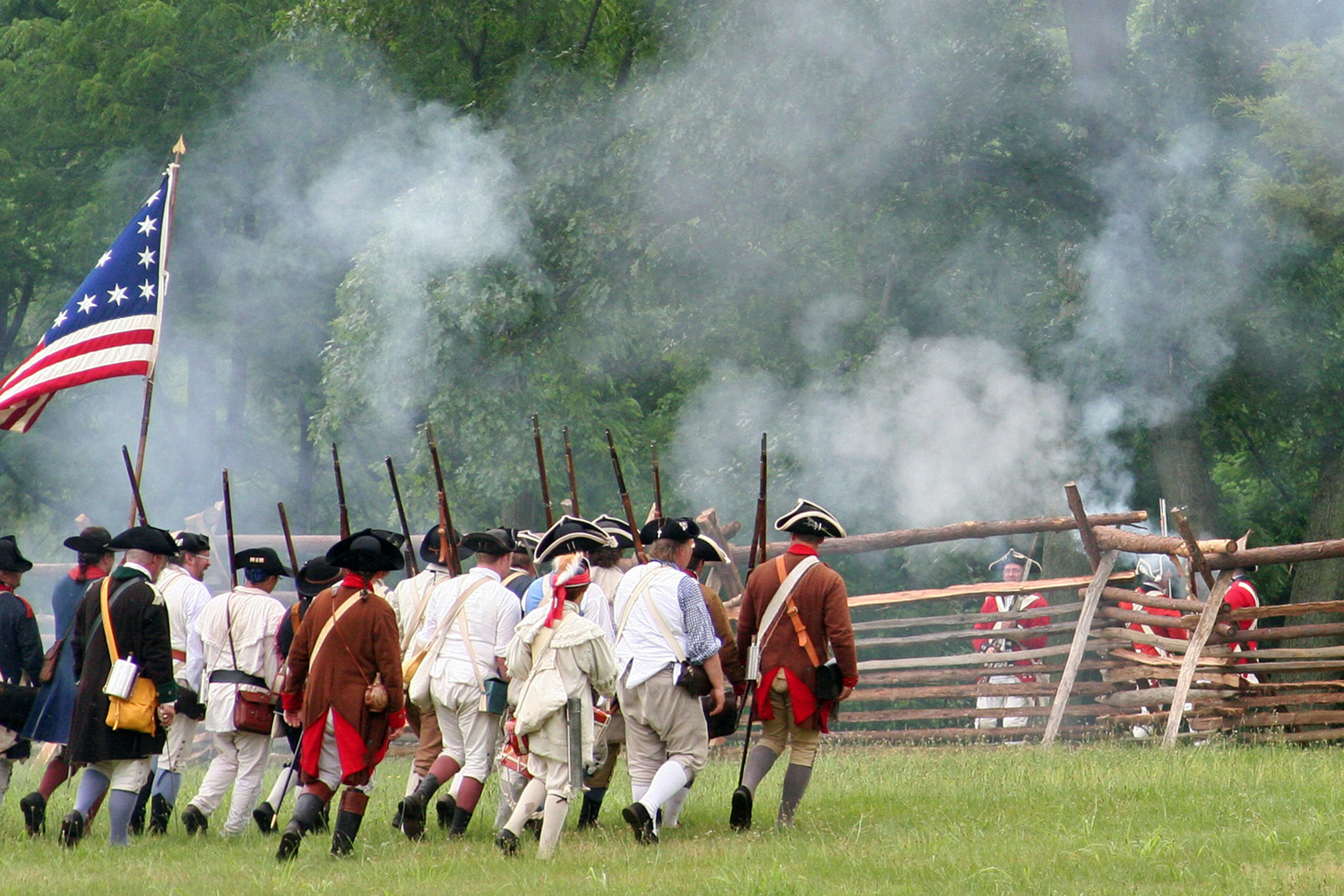
That abundance made the valley a target. On October 17, 1780, a force of British regulars, loyalist rangers, and Mohawk warriors led by Sir John Johnson and the Haudenosaunee leader Joseph Brant swept through the Schoharie Valley in what became known as the Burning of the Valleys.
Farms, mills, and homesteads were put to the torch from one end of the valley to the other. The assault was devastating, but the people of Schoharie endured — and rebuilt, as they had always done.
Amid the resilient landscape of the post-Revolution Schoharie Valley, the Schaeffer family raised the barn that would one day become The Sablewood. Built to serve the full demands of a working farm, the original structure was multi-functional from the start — housing livestock, storing grain, and sheltering the equipment of a self-sufficient agrarian life.
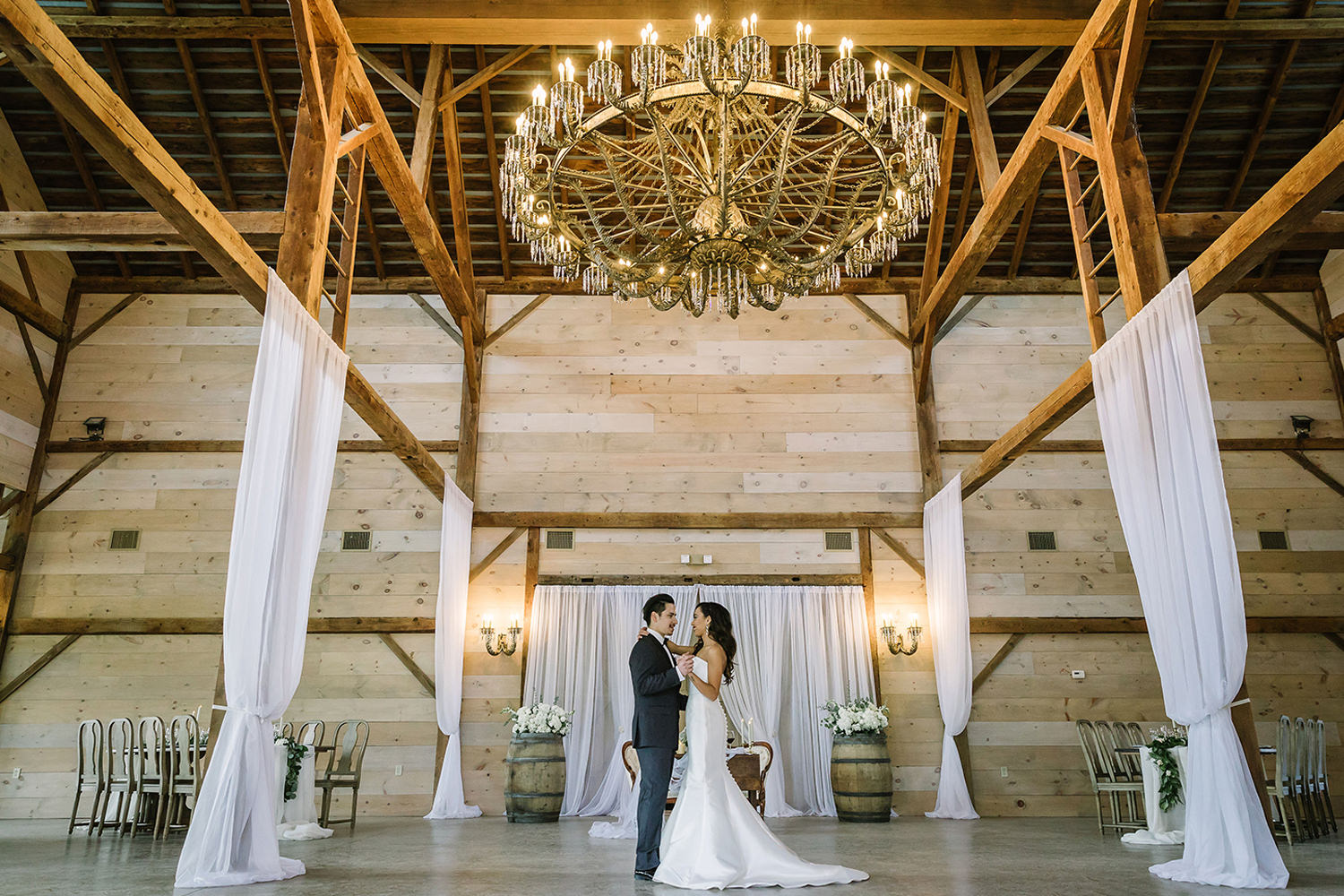
The hand-hewn beams, some stretching up to forty feet, were shaped from timber felled on the property. They remain one of the most breathtaking features of the space today — a tangible connection to the hands that built this place.
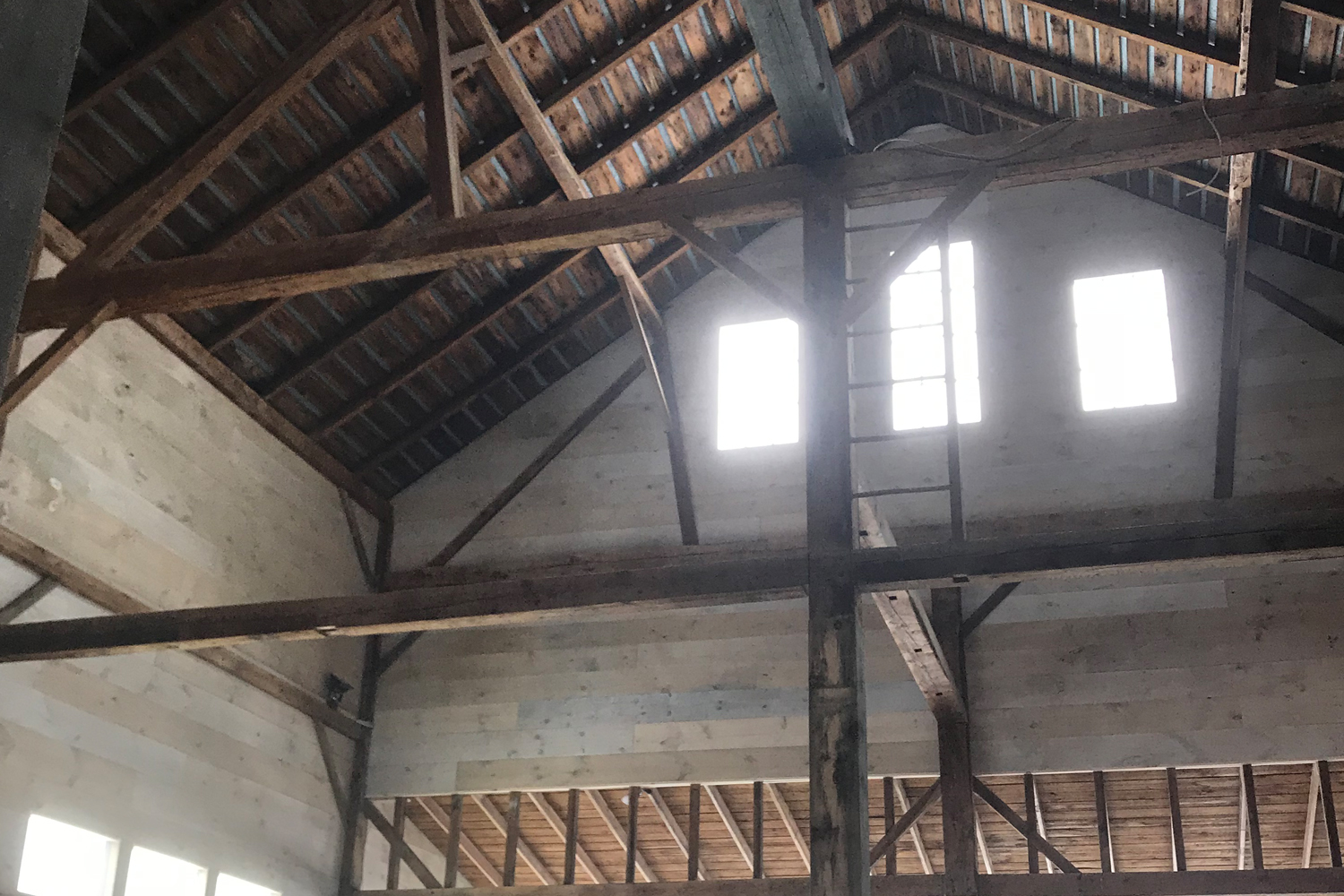
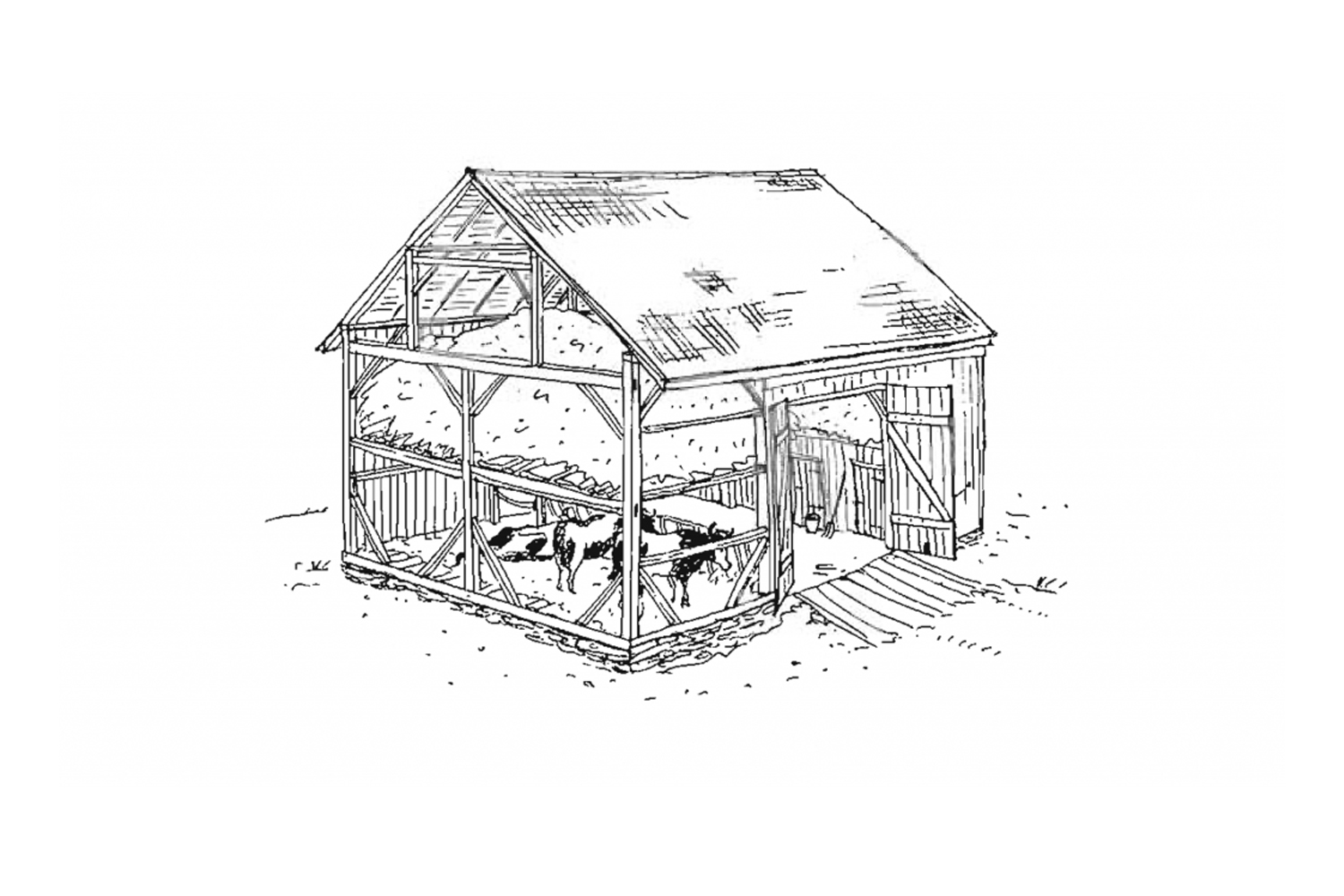
The barn’s construction reflects the English post-and-beam tradition brought to the Hudson Valley by early settlers and refined over generations. Three main bays provide the primary framework of the interior, each defined by the massive timbers that rise from floor to ridgeline.
The original hayloft ladders are still in place, worn smooth by a century of use. And look up near the roofline: the hay trolley track — the iron rail that once guided loaded forks from wagon to loft — is still intact, a piece of working history that now catches the light during evening receptions.
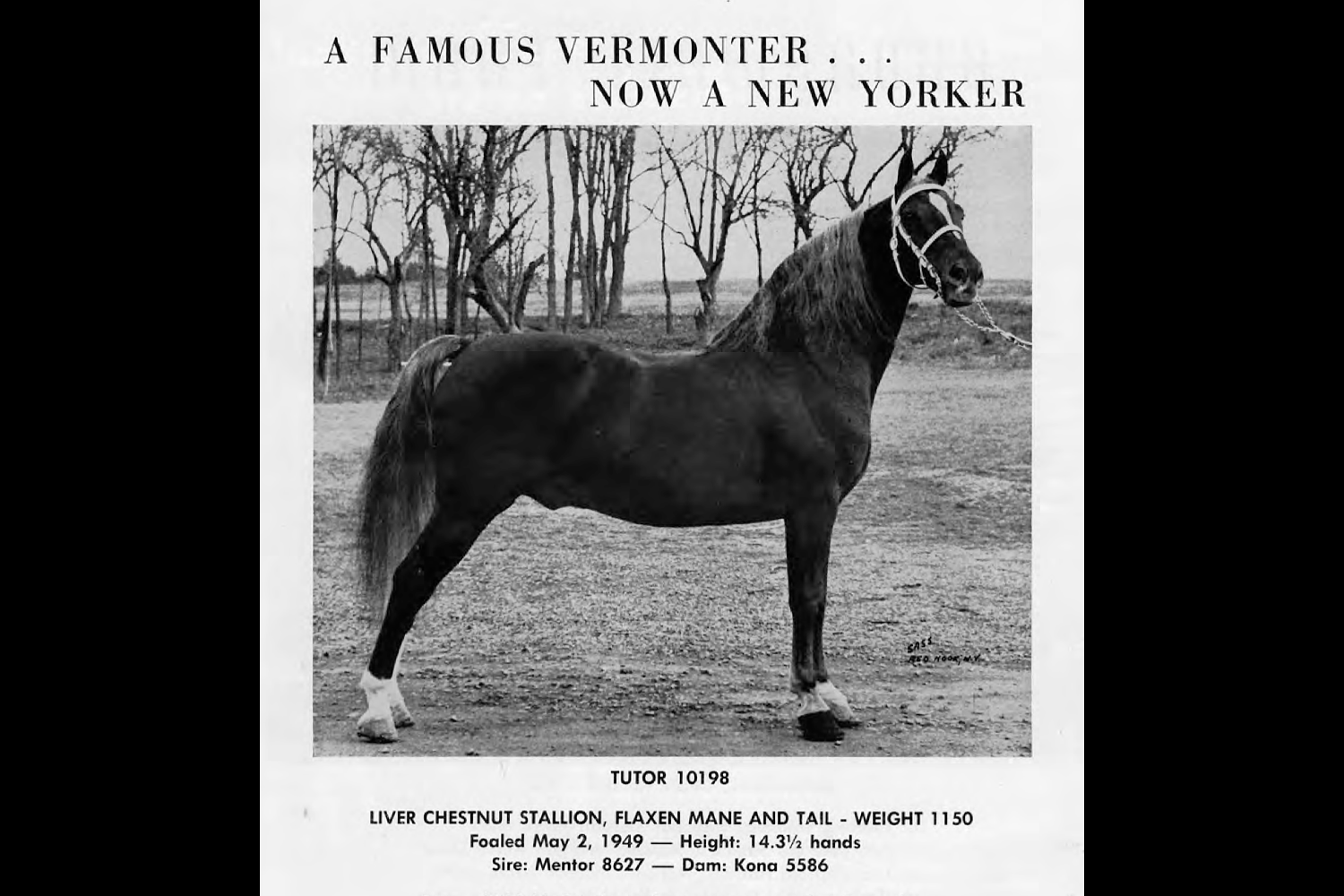
Beginning in the 1960s, the property entered a new chapter as a Morgan horse farm. Morgan horses — America’s first native breed — found an ideal home in the Schoharie hills, and the farm became known throughout the region for the quality of its animals. The stallion Tutor became something of a local celebrity, his bloodline sought after by breeders across the state.
His legacy lives on in a small, delightful way: the original horse stalls that once housed him and his companions have been beautifully repurposed as the venue’s guest bathrooms — a nod to the barn’s equestrian past that our guests invariably love to discover.

In 1975, the barn found an unexpected second life. The Every Man Theater Group — a beloved local repertory company — chose the space for their productions, filling it with language, light, and the particular magic of live performance. The company counted among its collaborators the actor John McGiver, whose credits ranged from Broadway to Hollywood.
Their productions of regional favorites, including an unforgettable staging of Rip Van Winkle, gave the barn a cultural presence that no ordinary farm building could claim. The walls still seem to hold something of that energy.
Like many great historic structures, The Sablewood passed through decades of quiet decline before its time came again. The barn fell into disrepair, its bones intact but its purpose uncertain. It was the Shaul family who saw what it could be — who recognized in those hand-hewn beams and weathered siding the bones of something extraordinary.
They undertook a painstaking restoration, honoring the structure’s original character while creating a setting worthy of the most important days in people’s lives. In 2018, The Sablewood opened its doors for events — and hasn’t looked back since.
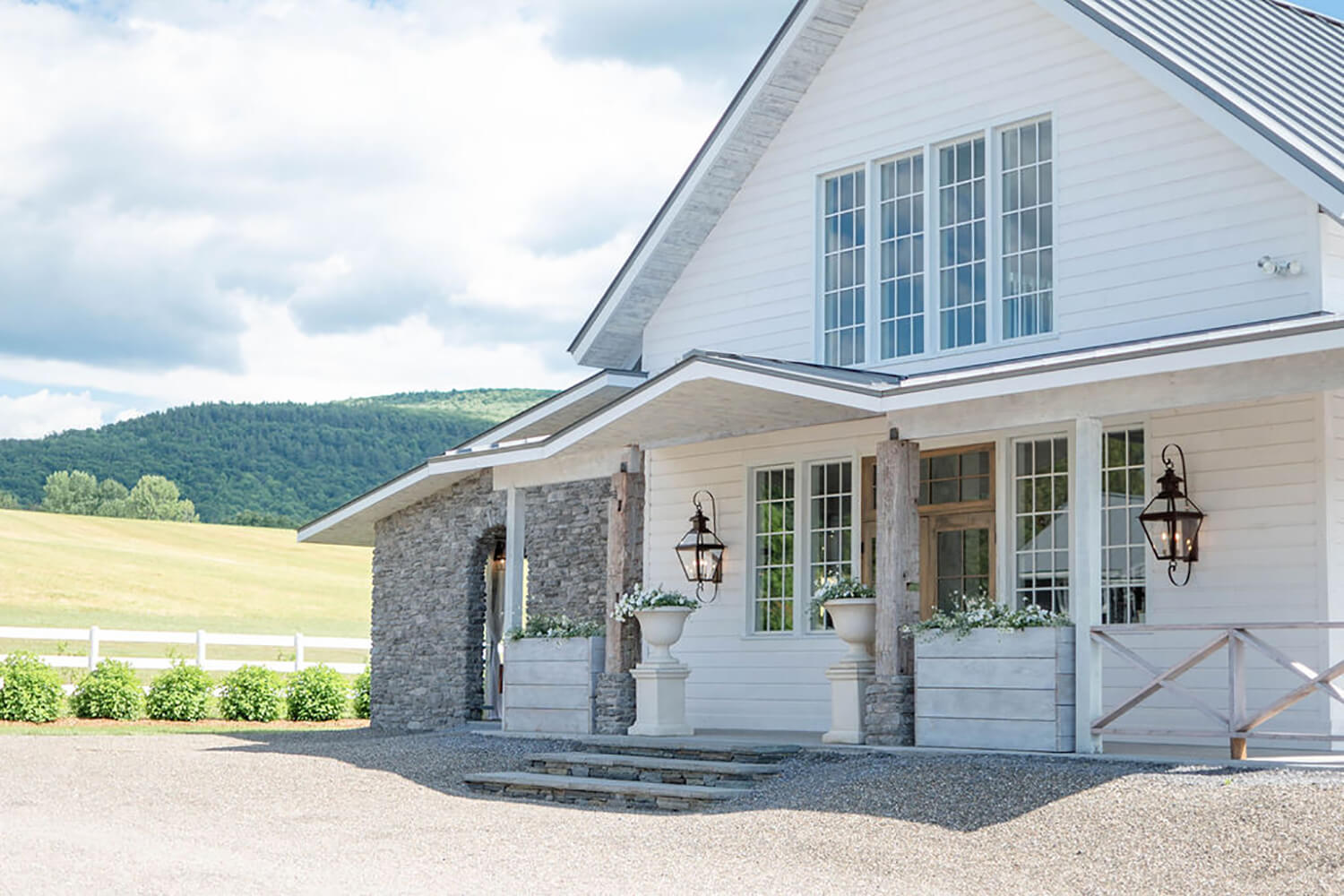
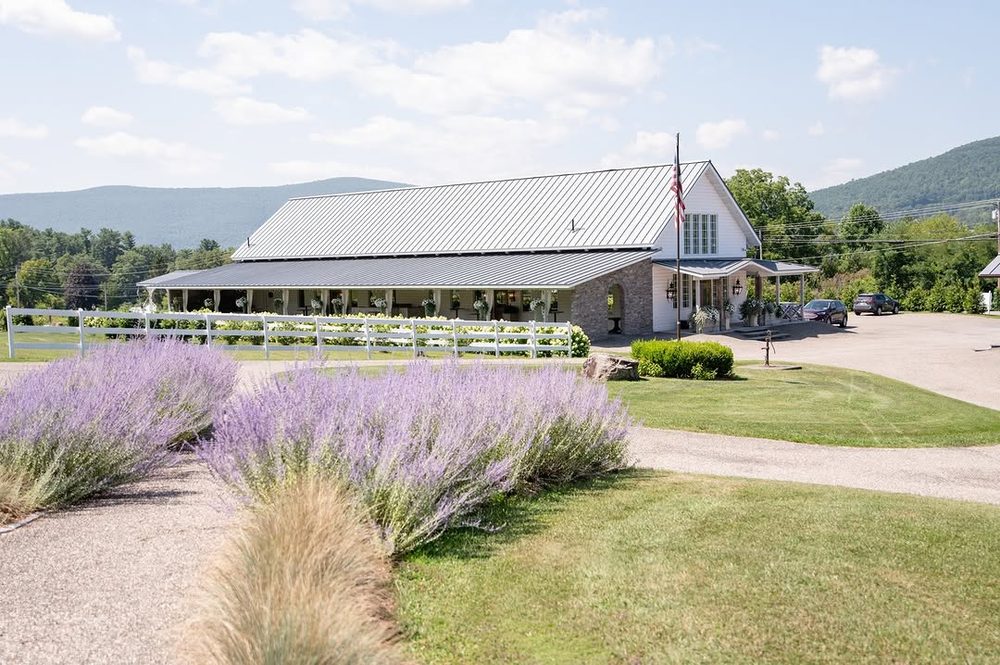
In 2021, the property welcomed a stunning new structure: The Charlington, a white carriage-style barn that has quickly become one of the most sought-after ceremony and reception spaces in the region. Named in honor of Charlie Shaul, the family’s master craftsman, it stands as a testament to what one person with the right skills — and the right determination — can accomplish.
When the contracted builder cancelled just three days before construction was to begin, Charlie stepped in and completed the project largely solo, channeling decades of farming and building experience into a structure of enduring beauty. Every beam, every board, bears the mark of his hand.
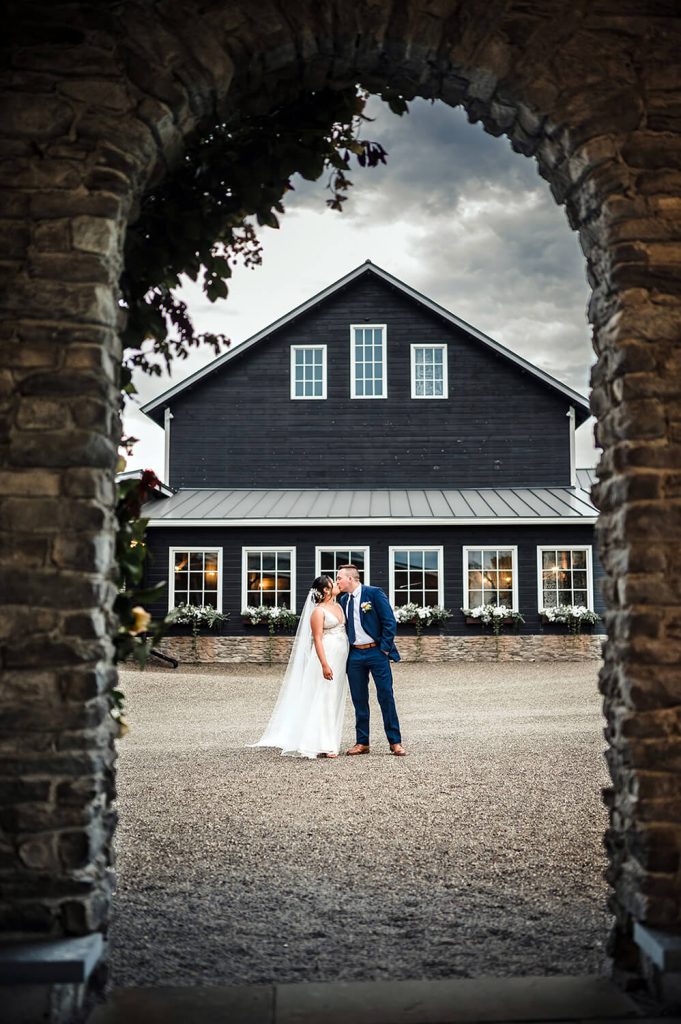
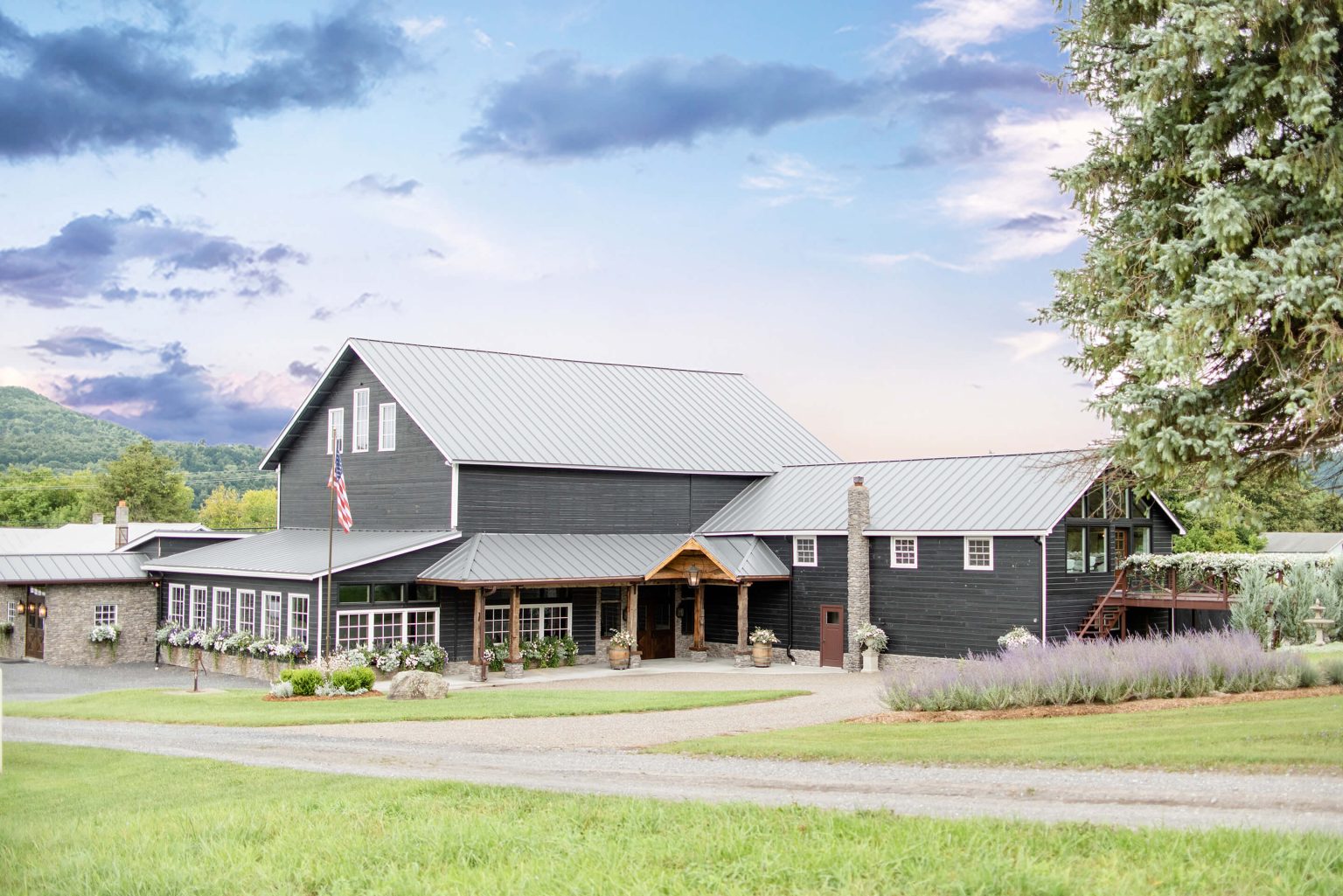
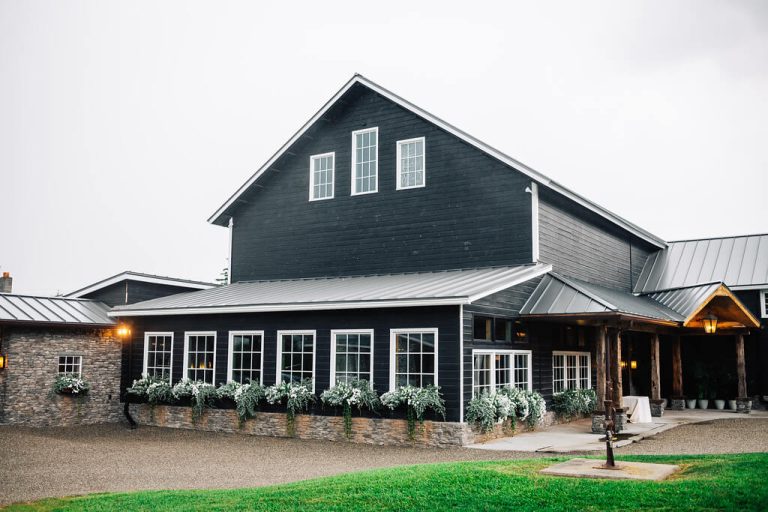
The distinctive black that defines The Sablewood’s exterior is no accident — and neither is its name.
In 1961, the barn’s owner at the time painted the structure in the rich, deep black that still defines it today. The inspiration came from the traditional tobacco barns of Kentucky, where dark paint was applied to raise interior temperatures and accelerate the curing process. He had admired those barns on travels through the South and brought the tradition back to the Schoharie Valley.
The color has remained ever since, giving the barn its unmistakable silhouette against the Catskill sky. “Sable” — the heraldic word for black — was the only name that truly captured it.
The Sablewood makes its home in one of New York’s most rewarding corners. Just minutes from the venue, you’ll find some of the region’s most celebrated attractions — perfect for guests arriving early or extending their stay into a true Catskills getaway.
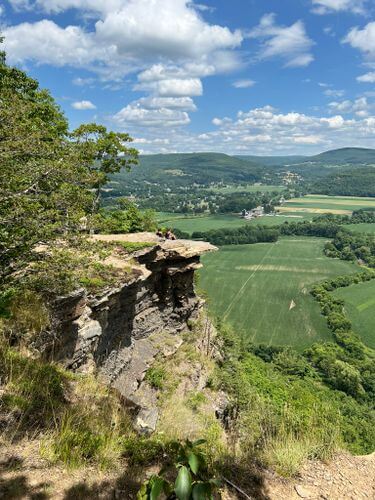 Vroman’s Nose Hiking Trail — View from Summit (Summer)
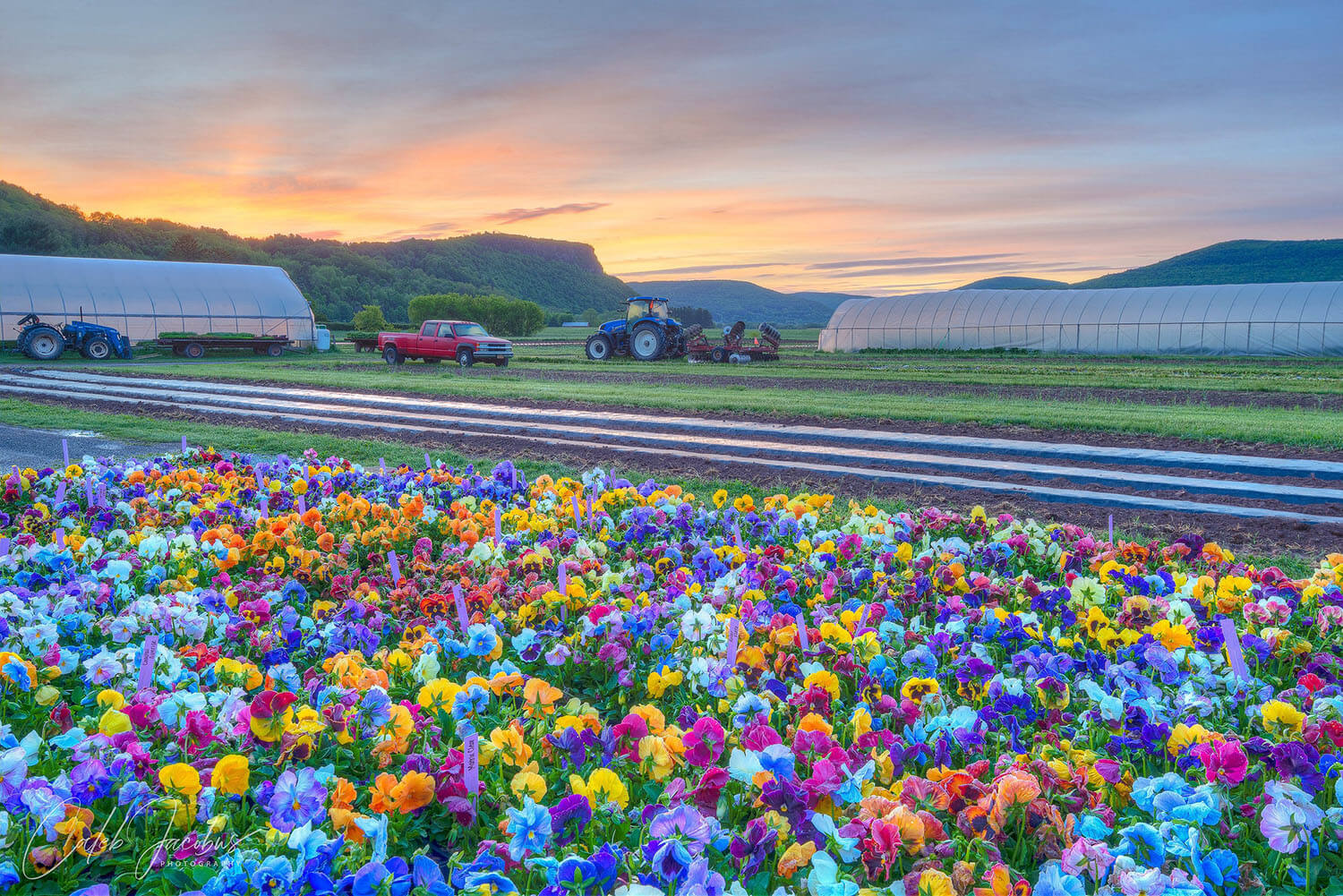 Fields of Pansies & Farmland, Schoharie County, NY
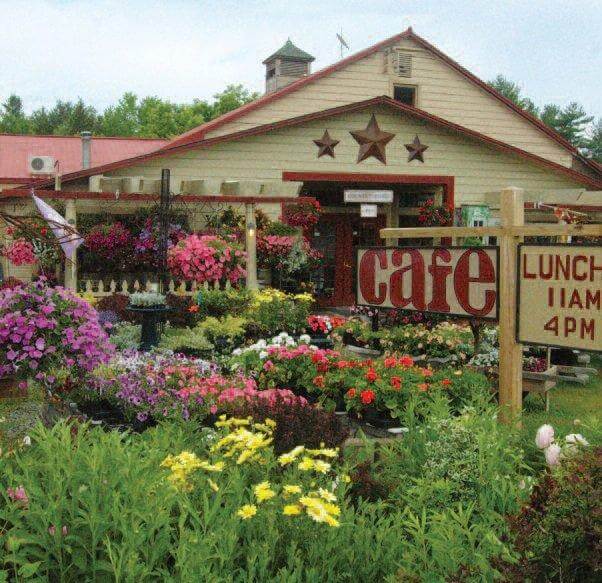 Apple Barrel Café — Voted Best Restaurant in Schoharie County!
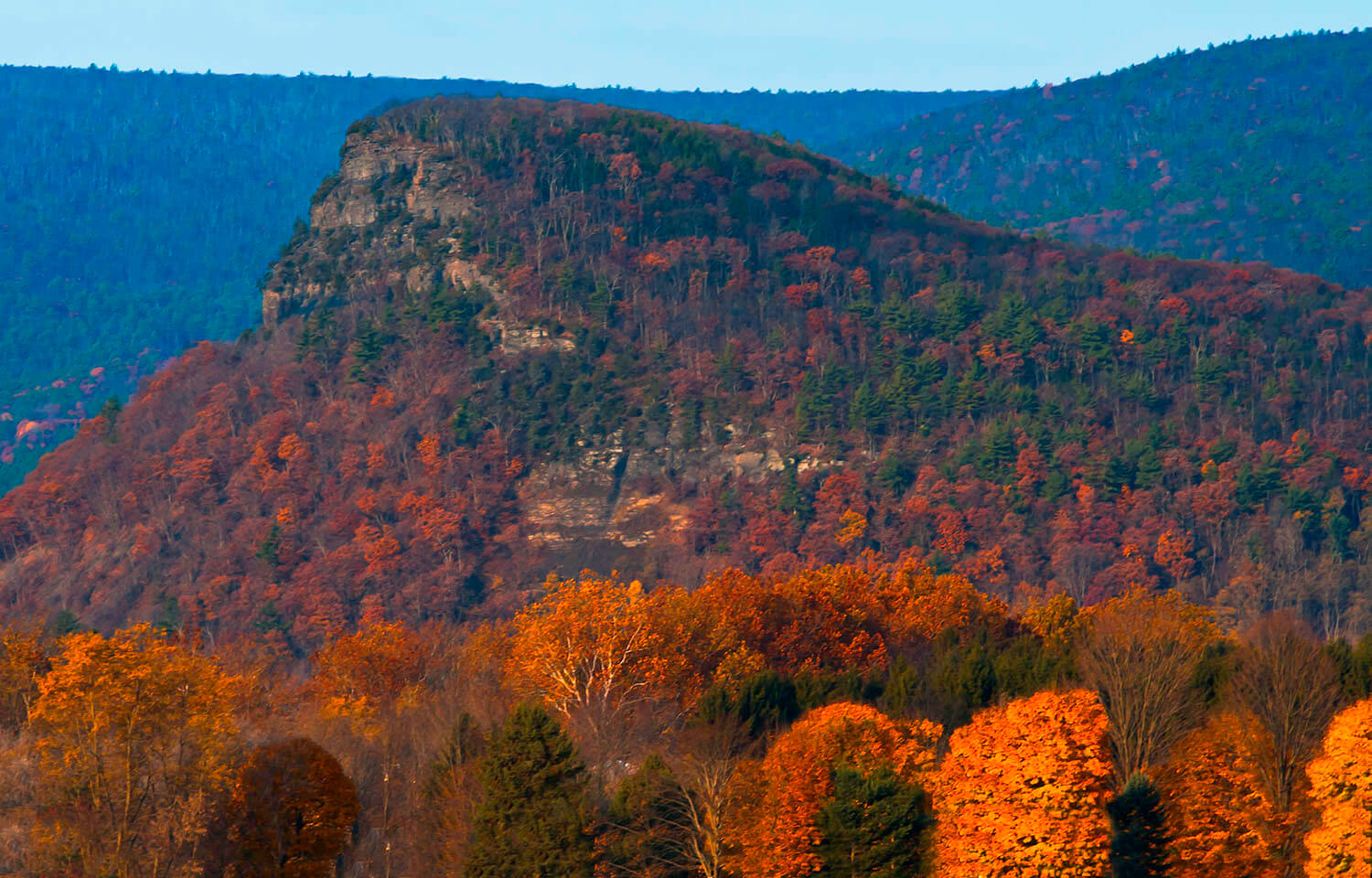 Vroman’s Nose Hiking Trail — View from Summit (Autumn)
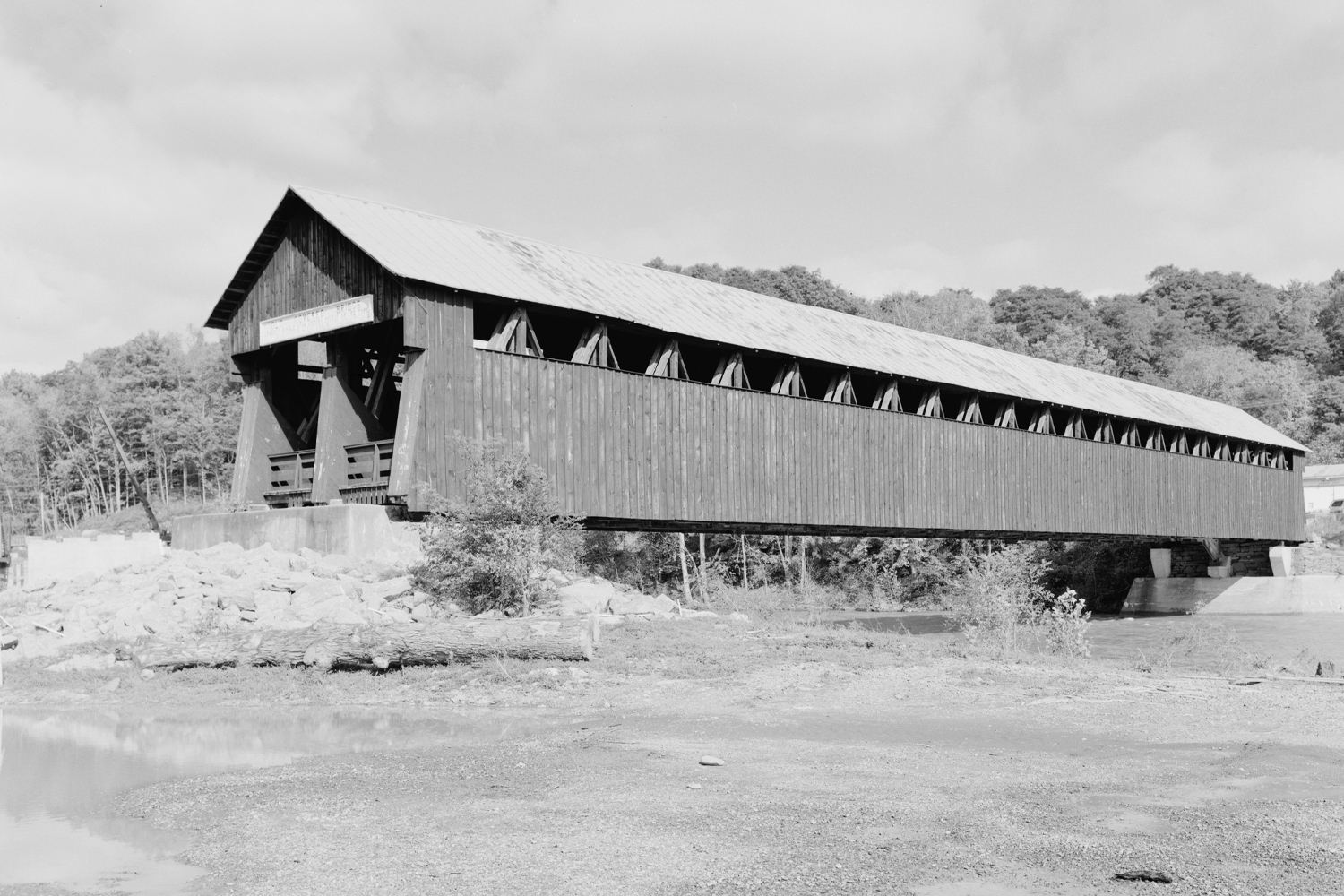 Old Blenheim Bridge, spanning Schoharie Creek, Schoharie County, NY
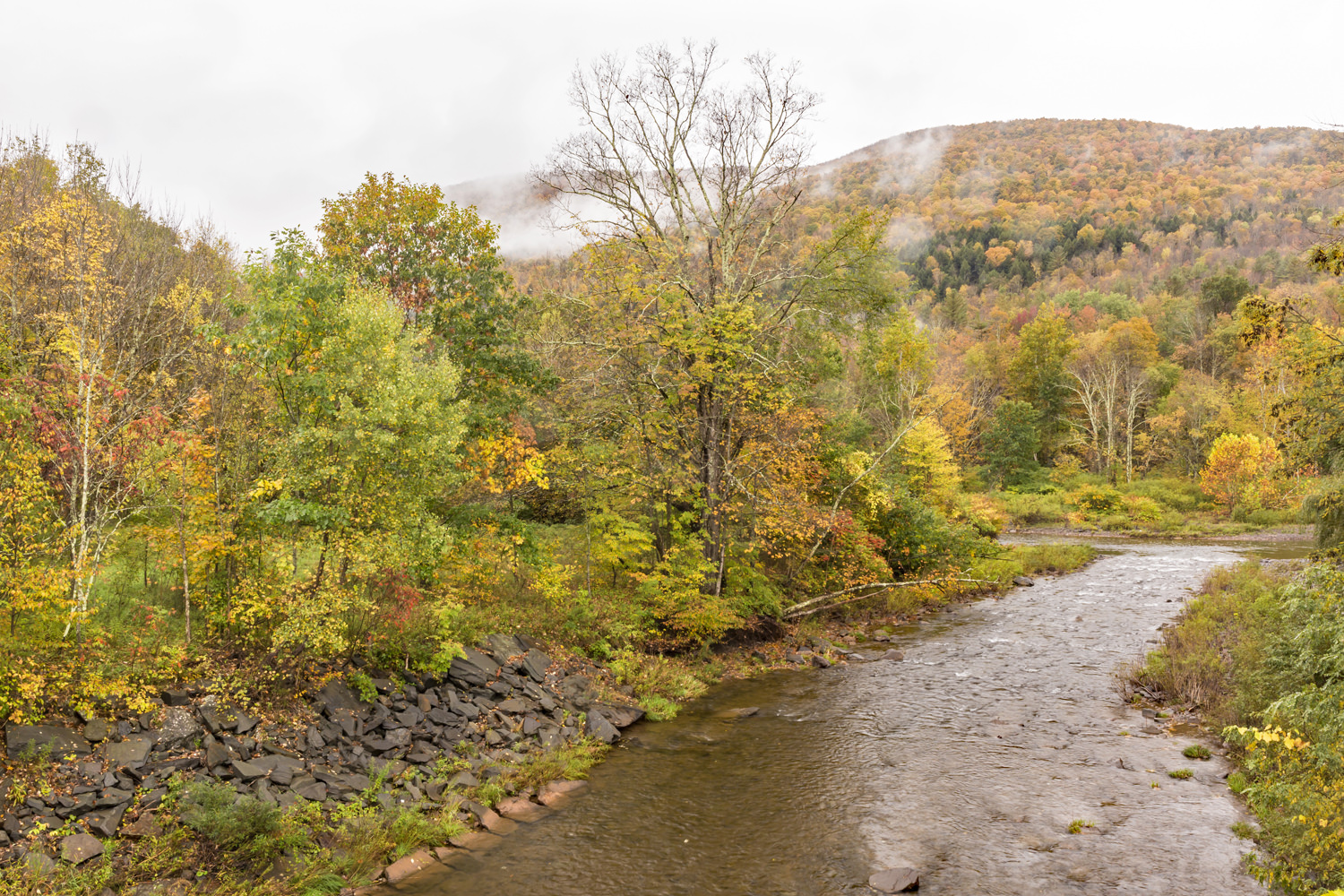 East Kill Schoharie Creek Confluence, Schoharie County, NY
Come see this history for yourself — schedule a tour and walk the grounds.
Get in Touch